Healthy aging is often framed as a race against decline. In practice, a more restorative approach asks a quieter question: what helps the body recover well enough to keep adapting?
Restoration before optimization
Sleep, nervous-system regulation, circulation, and inflammation all shape how skin, joints, and energy feel over time. When those foundations are strained, even thoughtful treatments can underperform.
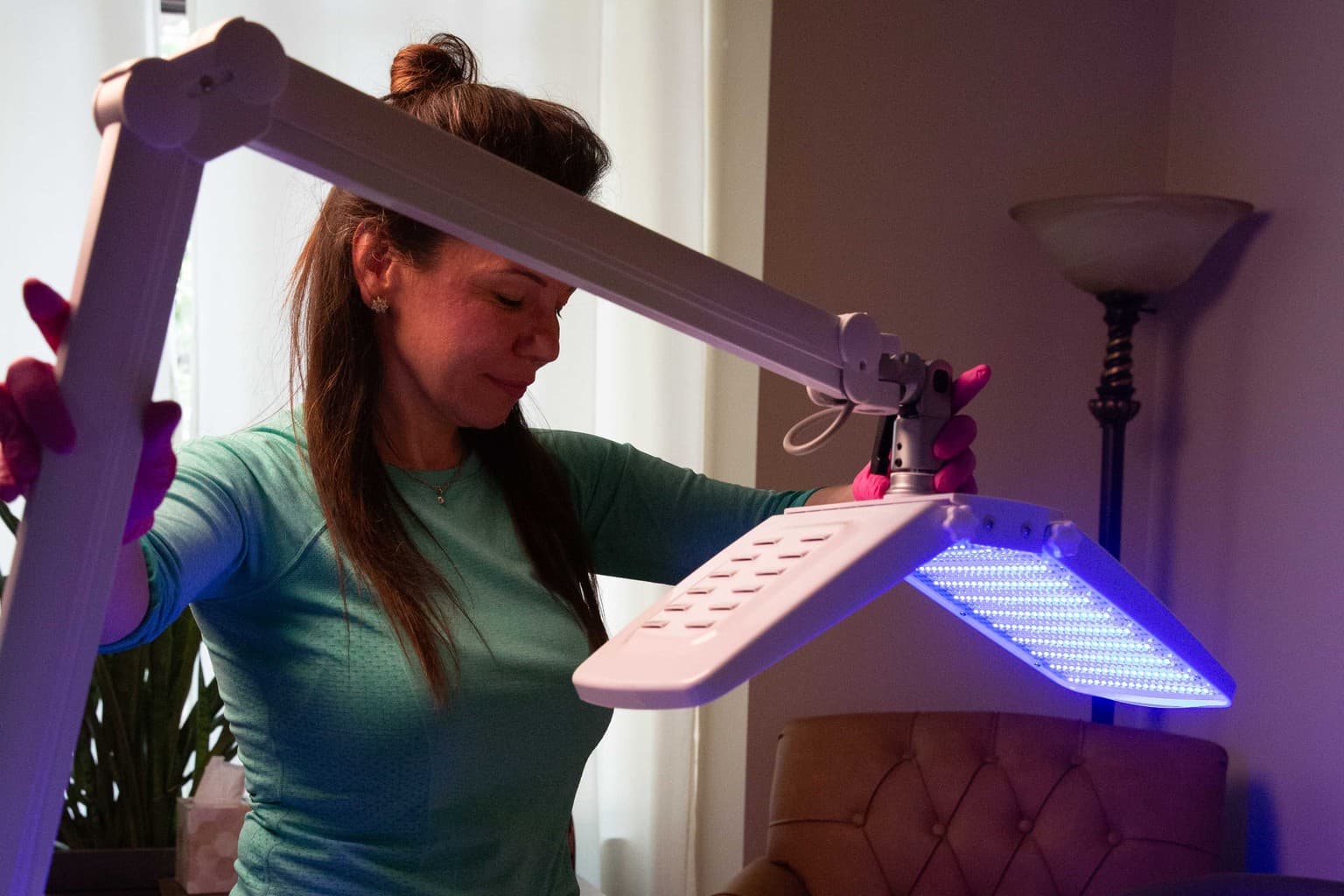
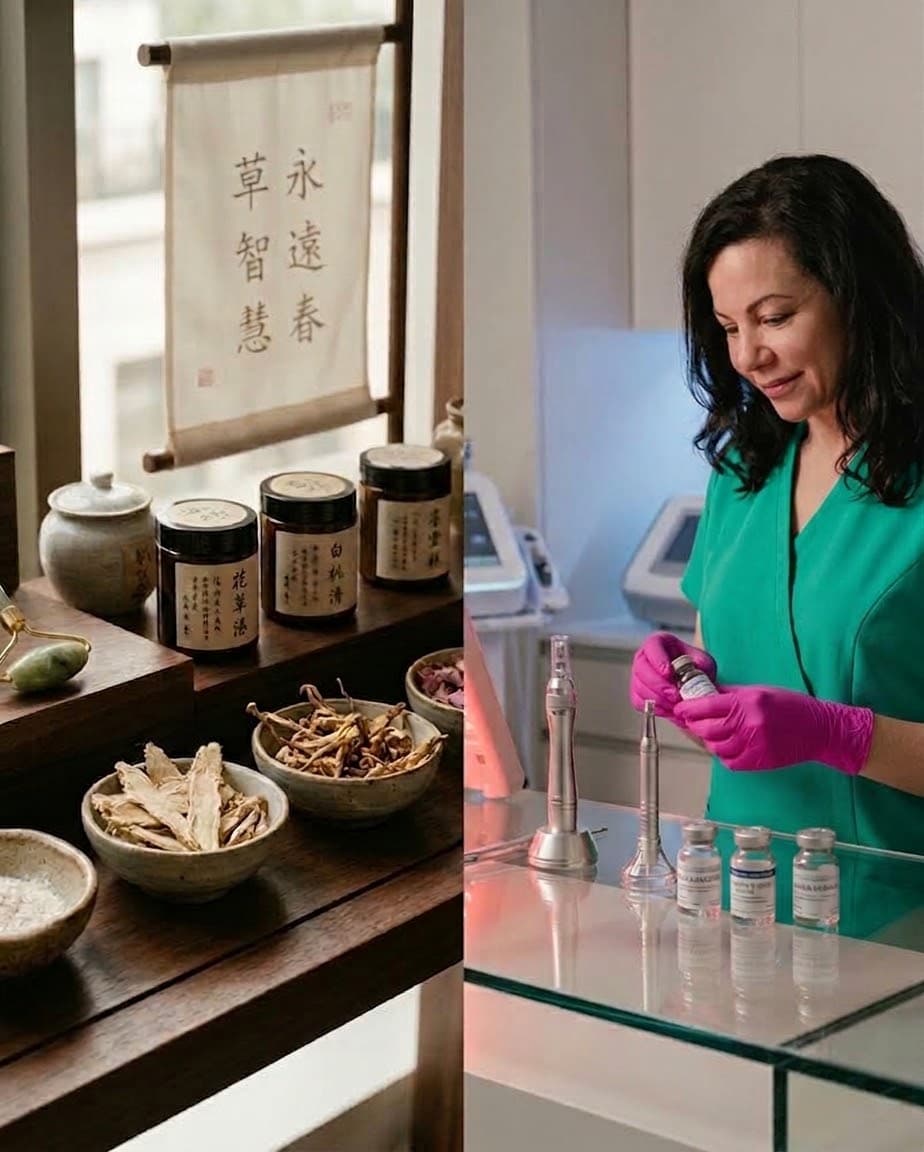
A restorative plan usually begins with patterns — stress load, recovery, hormones, digestion — before layering in aesthetics or performance goals. In studio language, skin-focused healthy aging often maps to Renew · Fine lines and Refine · Skin damage inside the Fine Lines + Collagen Pathway.
What this can look like
- Sleep, stress load, and recovery habits that support skin renewal
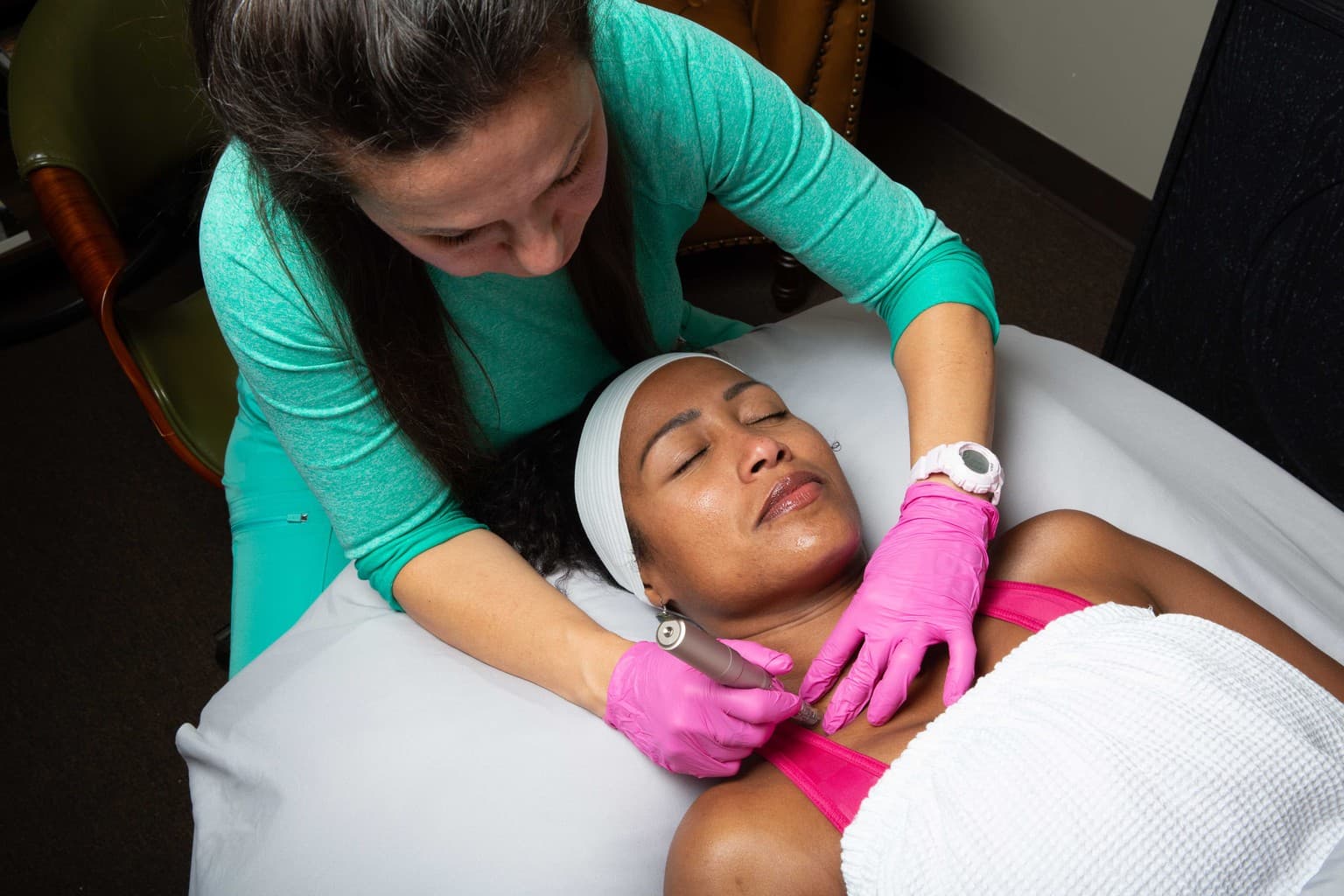
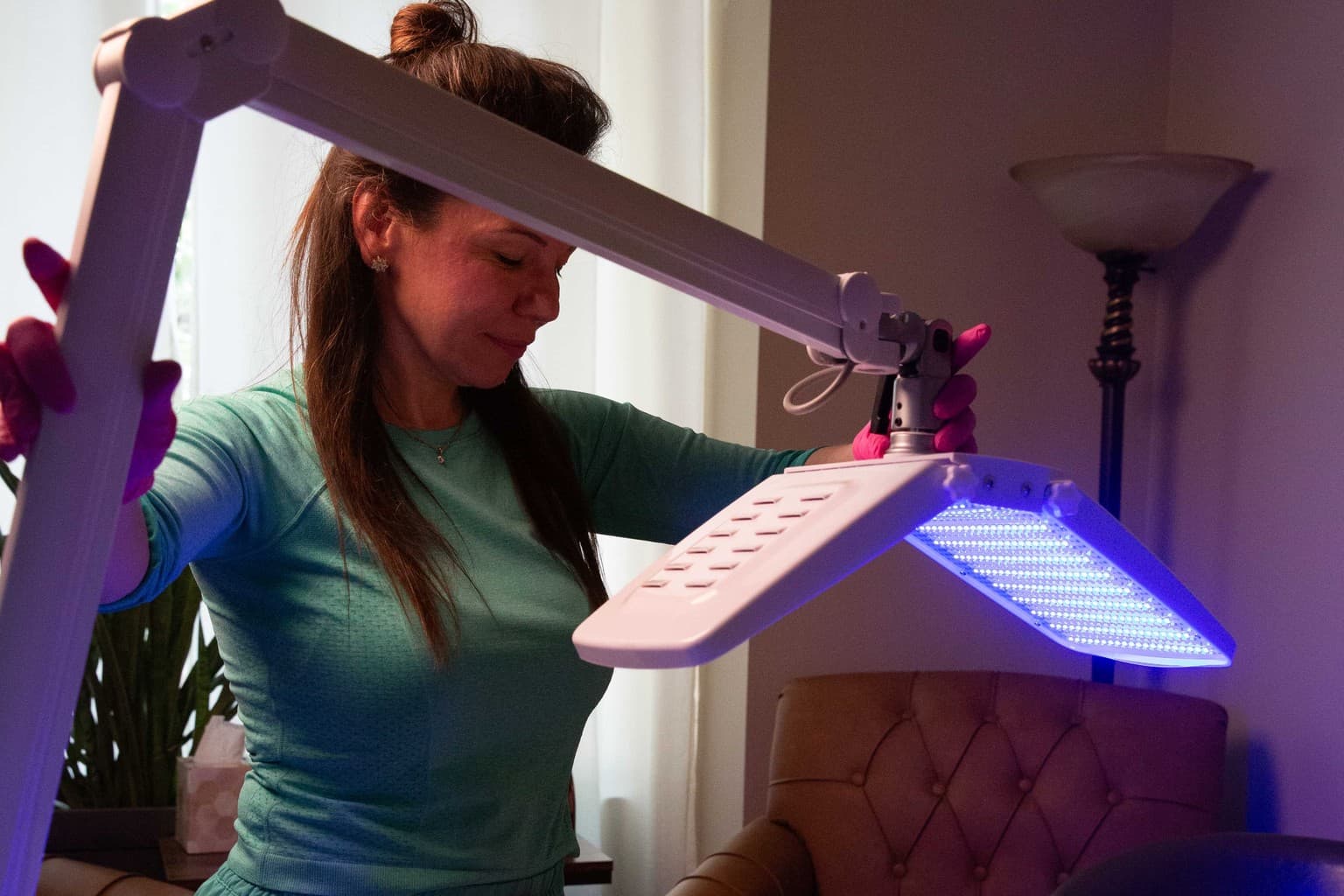
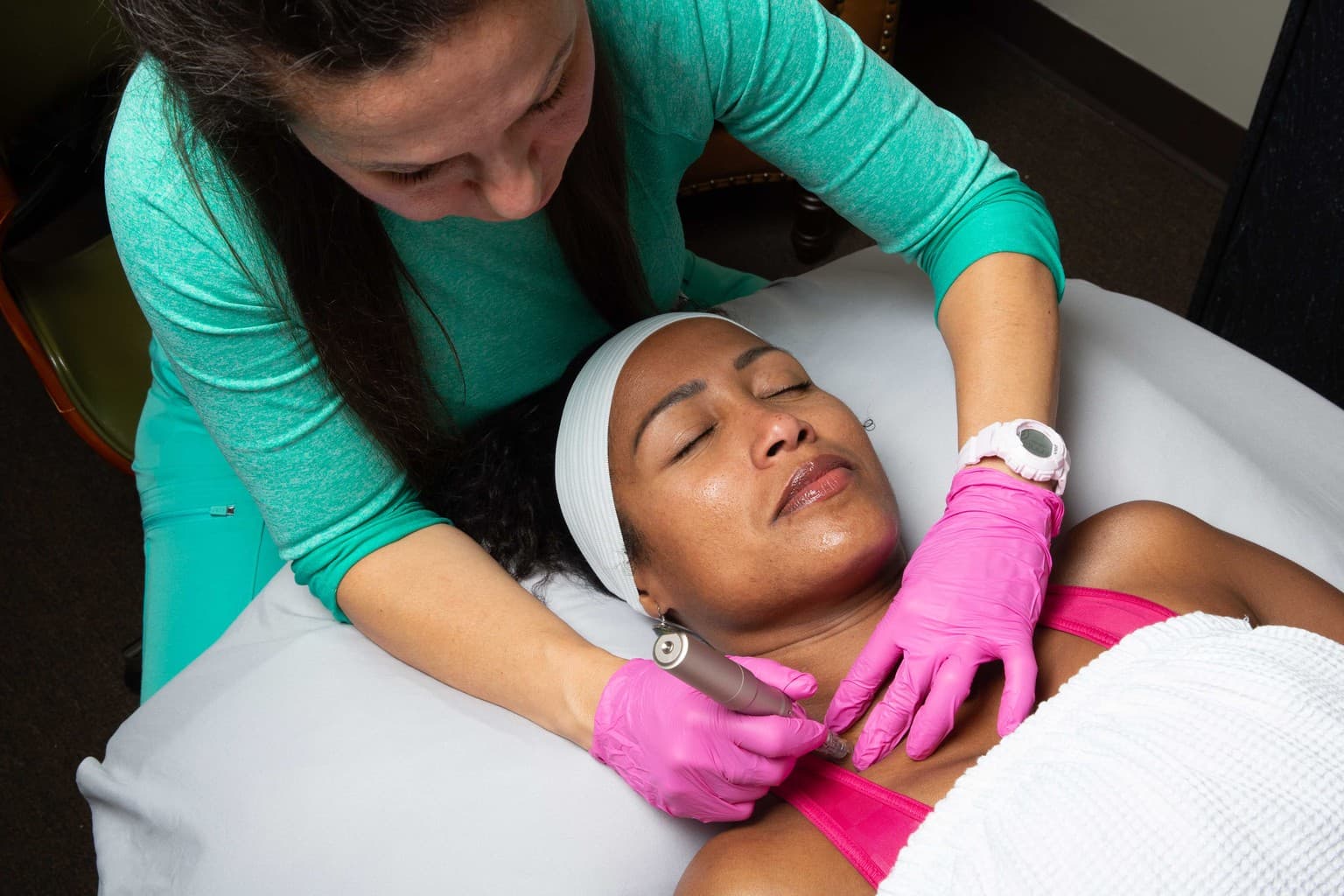
- Skin treatments that respect barrier and repair cycles — including paced microneedling
- Pacing care so results can settle rather than spike and fade
The aim is not perfection. It is steadier vitality — aging with more reserve, not more urgency. Related reading: Healthy Aging in Glen Allen. Begin with the Online Assessment or Contact.
Educational only — not a substitute for personalized medical advice. Talk with a qualified clinician about your own care.
Recommended reading
Further study from The Studio Library — curated titles with editorial rationale, not a generic shopping list.

Younger
Harold Lancer, MD
Aligns with the Restore pathway: change that still looks like you, built session by session rather than overnight transformation.
View on Amazon
The Wrinkle Cure
Nicholas Perricone, MD
Helps patients understand why the Studio pairs clinical treatment with anti-inflammatory recovery habits between visits.
View on Amazon
Why We Sleep
Matthew Walker
Sleep is non-negotiable recovery infrastructure between Saturday microneedling phases — this is the accessible doorway.
View on Amazon
Amazon links are for convenient ordering. We may earn from qualifying purchases.
Explore the full Library